Ten years, four technologies →3DBear
Co-founder · creative director, later also COO
21 August 2016
Brand, visual identity, product and service design
Kristo Lehtonen, Jussi Kajala, Olli Niskanen
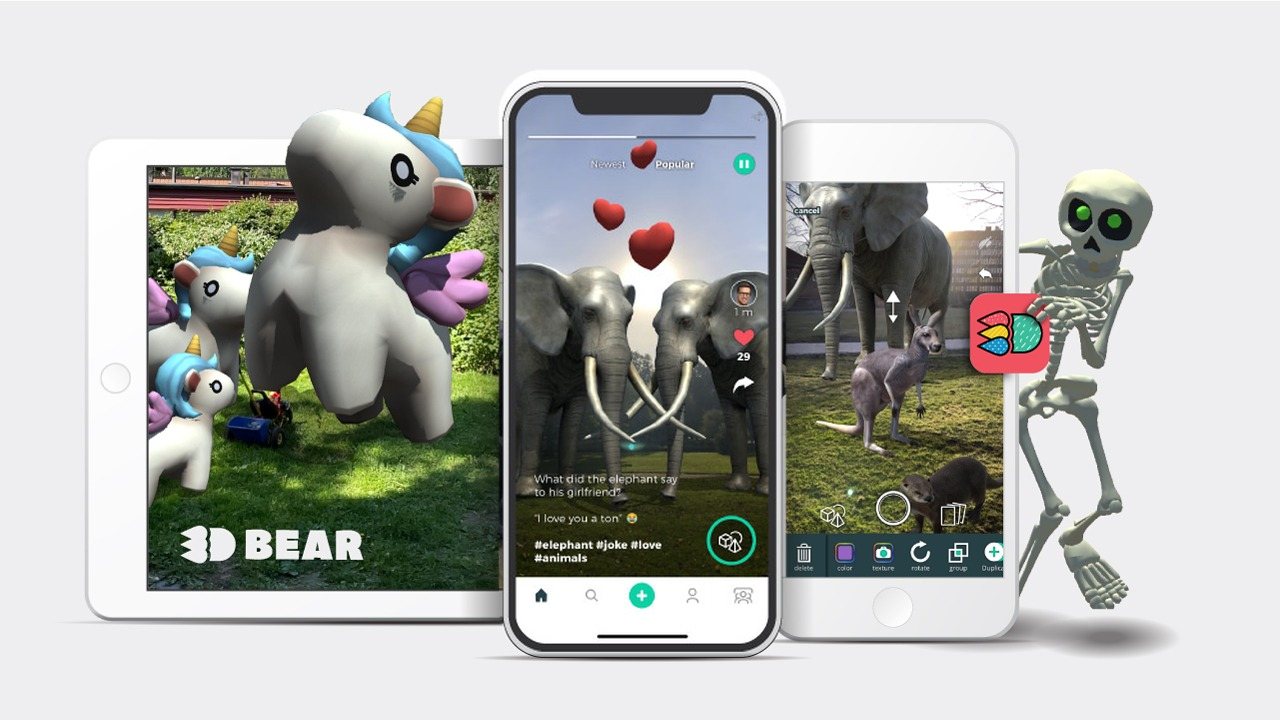
Four of us met in 2016 to make one thing: a gamified way to bring 3D printing into classrooms. Ten years later the company sells something entirely different, built on technology that did not exist when we started. The brief never changed. The material changed four times.
Every few years the tool we teach with becomes obsolete. The pedagogy does not. That gap is the whole job.
We started by building small games around printing and learning. Karhu leipoo — the bear bakes — taught primary-school maths. Yhdistä pisteet put number sequences into a phone inside a Google Cardboard headset. Avatar covered art: build a character, print it, decorate the result.
One of those games contained a crude piece of augmented reality. When Apple and Google both shipped AR support to every phone in the same year, that one game stopped looking like a feature and started looking like the product.
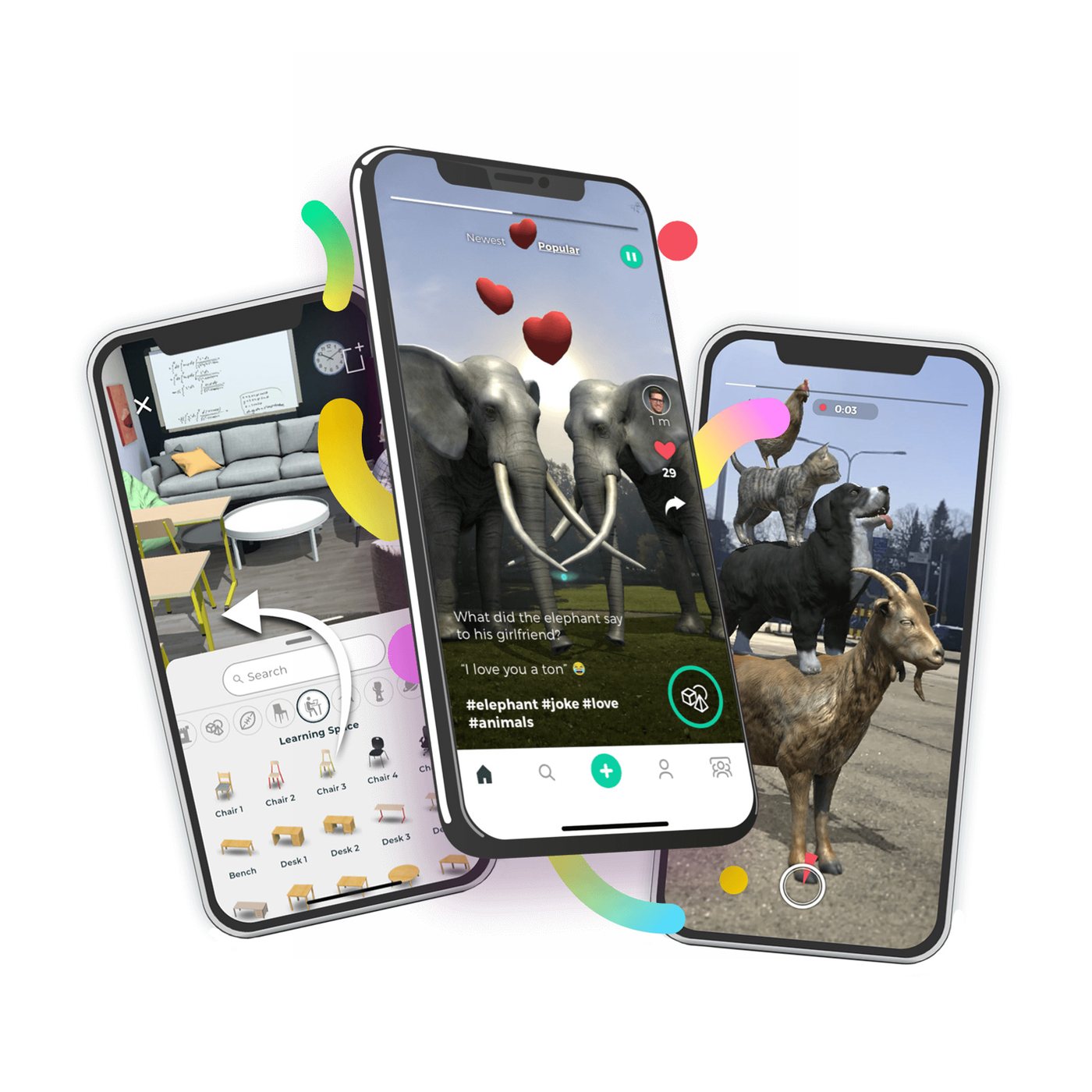
We dropped everything else and built the 3DBear AR app properly: a creation tool rather than a viewer, with a full editing toolbar — colour, texture, rotate, group, duplicate — and a community feed where classes shared what they made. Sold mainly in Finland, and at the end into India through partners. Over two million downloads.
It never monetised well enough to carry the company. That is worth saying plainly: two million downloads is a good number and it was not the right number. The pandemic arrived, schools changed shape overnight, and we went looking for what they needed instead.
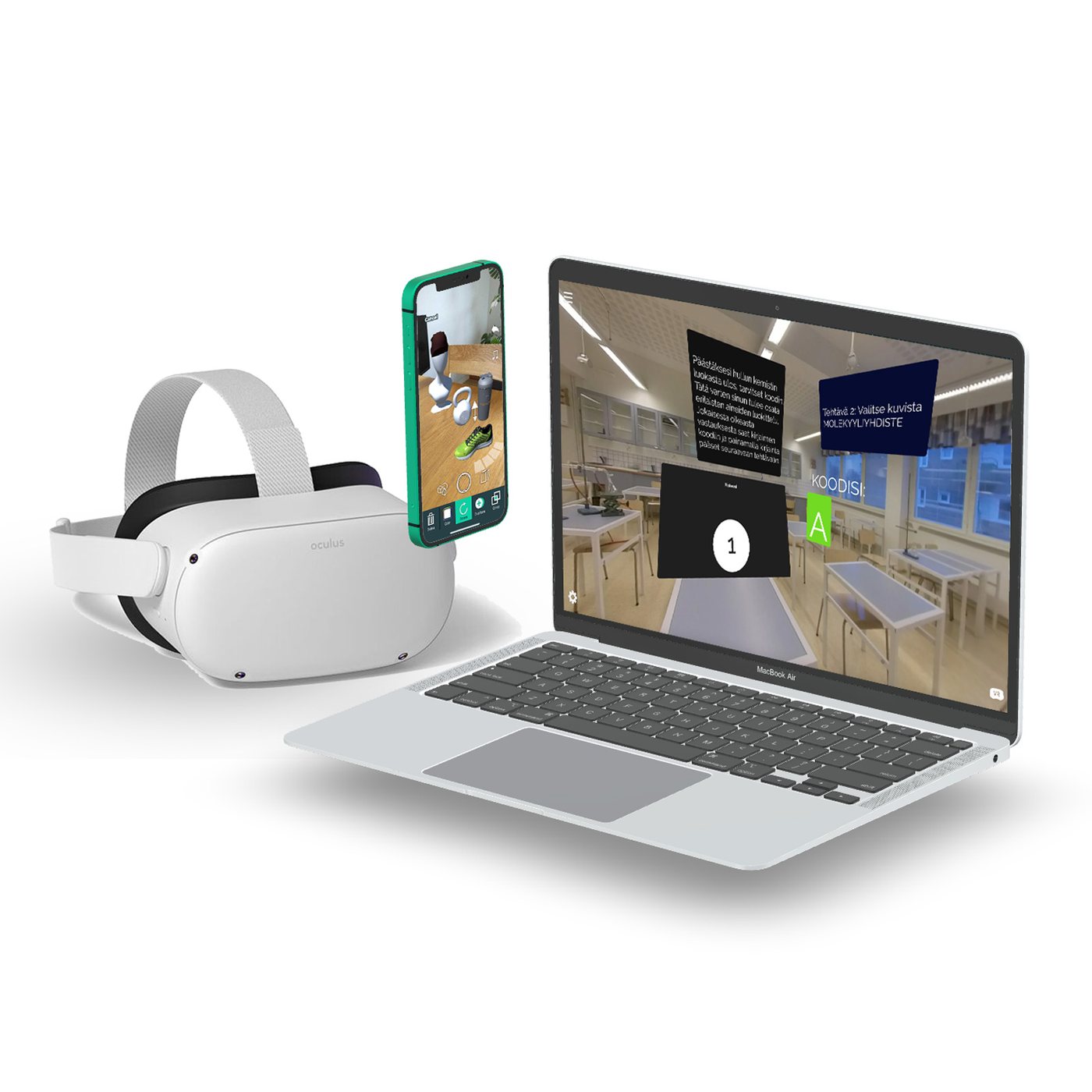
Vocational education turned out to want something specific: 360-degree simulations of real working environments, so a student can walk a site before entering one. We built them on Wonda and later Uptale rather than writing our own engine, and sold the thing schools actually lacked — the technology, the know-how to adopt it, and the content production. Through a long run of projects this became 3DBear's main service.
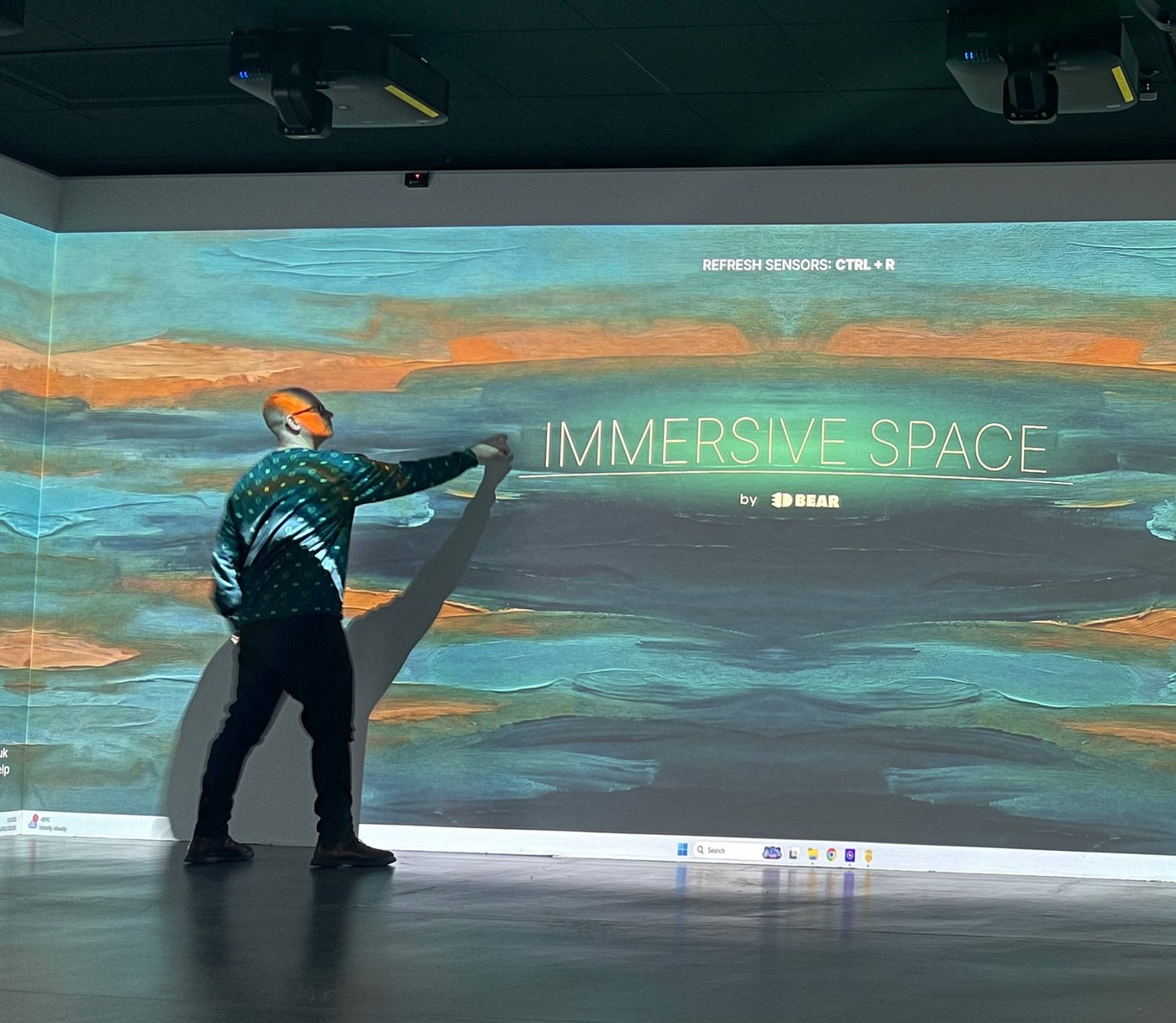
Immersive spaces grew in its wake: first VR headsets and tablet AR, then interactive installations projected onto the walls of a room, built together with Immersive Interactive.
Simulation sales flattened, and the reason was structural: a simulation is a scene, not a course. What a teacher needs is the whole thing — objectives, sequence, assessment — with the simulation doing the work only it can do. That is Simuna.
The first version was built with Mediamaisteri. Its limits, and what AI had meanwhile made possible, pushed us to build our own AI-based Simuna instead. It shipped this autumn.
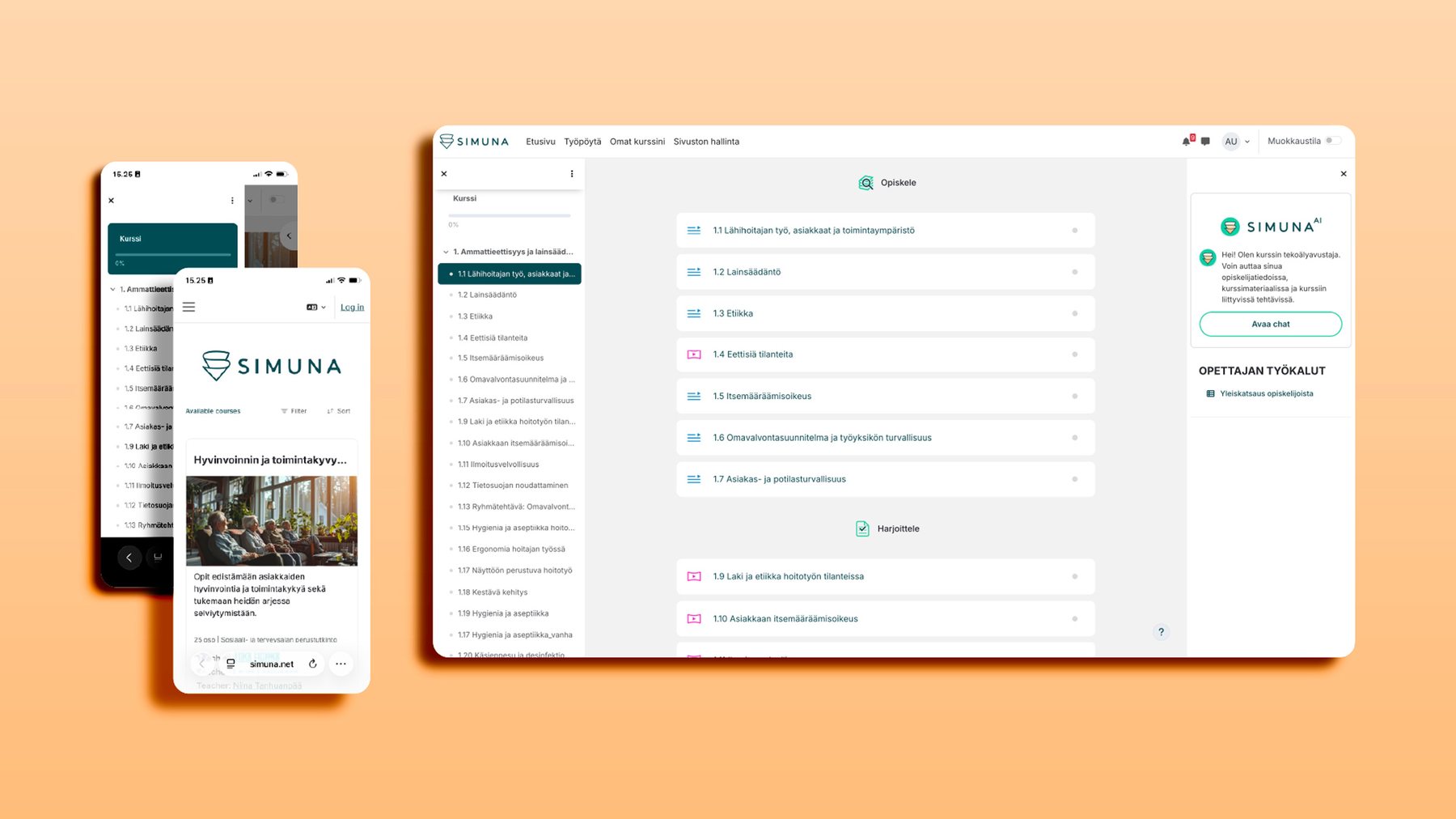
Brand and visual identity from the first day, and the design of the products and services themselves: digital learning experiences, user-centred solutions, and the prototyping that gets an idea in front of a teacher fast enough to be told it is wrong. The title has been creative director and, for a period, chief operating officer.
The useful skill after ten years is not any one technology. It is knowing how to judge a new one quickly — what it can teach that nothing else can, what it costs a school to adopt, and when to abandon the previous answer.